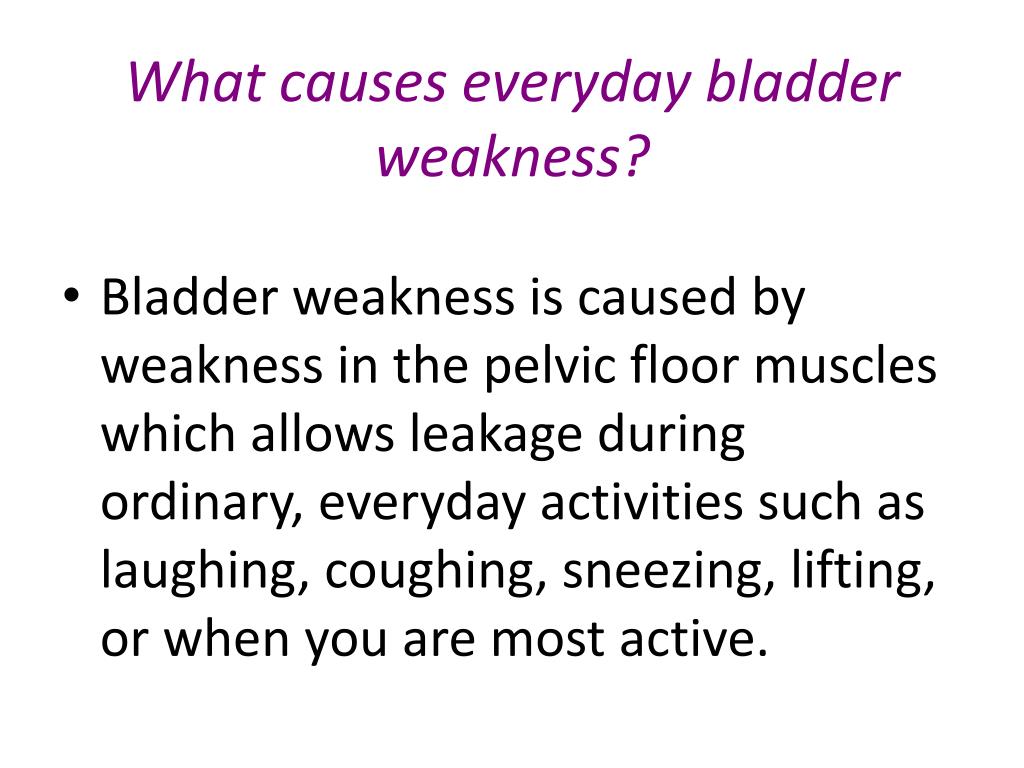
What Are Kegels? Find Out Exactly How Kegel Exercises Aid With Incontinence Weak pelvic flooring muscle mass are one of the most common reason for bladder leakages throughout workout. Pelvic flooring exercises, also called Kegel (kay-gull) workouts after Dr. Arnold Kegel that developed them, reinforce the pelvic floor muscles. These muscle mass play a role in supporting the bladder advertisement urethra. Workouts to enhance theses muscular tissues might assist boost pee control. The PFME is a well-known treatment supported by a huge body of evidence (Dumoulin et al., 2018). PFME is better than no treatment, sugar pill, or an inactive control therapy for ladies with stress and anxiety, seriousness, and blended urinary system incontinence (Ayeleke et al., 2013; Dumoulin et al., 2018). Occasionally people have pelvic floor muscle mass that are as well limited. In these instances, doing Kegel workouts may trigger more troubles. Urinary system incontinence is usually brought on by issues with the muscles and nerves that aid the bladder hold or pass pee. Particular health occasions distinct to women, such as pregnancy, giving birth, and menopause, can cause troubles with these muscles and nerves. This is due to the fact that reproductive health occasions distinct to females, like pregnancy, giving birth, and menopause, affect the bladder, urethra, and various other muscle mass that support these organs.
Kegel Workouts
A common medical cause of bladder leakages throughout exercise is anxiety urinary system incontinence, called SUI. This condition occurs when pressure on your bladder causes urine to leakage. The stress might originate from laughing, coughing, training, running, jumping, or other activities.What Takes Place Prior To You Can Do Kegel Exercises?
PFME is an exercise that entails the understanding of pelvic floor muscle mass activation and the search of a duplicated PFME program with time. Since efficiency depends upon the individuals' adherence during the treatment and afterwards in the maintenance stage, a much better understanding of adherence systems and how they can be advertised is of significant significance. This present review paper offers a review of medical application of PFME as a behavioral therapy for urinary system incontinence. On top of that, this article offers current proof on PFME in the clinical and study setups. If you are awkward or unclear about doing Kegel exercises on your own, a doctor or nurse can Bladder neck also teach you how to do Kegels. Lots of people see improvement after weeks of regular method. If you have problem doing them by yourself, a pelvic floor specialist can aid you learn correct method. This is very important to make healing plans for older individuals. No distinctions exist among the PFME for grown-up and well-off older people. However, first monitoring needs to be embellished and influenced by therapy objectives, choices, and approximated remaining life span, as the most likely professional diagnosis. Intravaginal electrical stimulation improved continence prices for women with anxiety, urgency, or blended urinary system incontinence compared with sham stimulation. However, it does not appear to boost results over those obtained through PFME alone or PFME with psychophysiological feedback. Weighted vaginal cones were developed as a technique for assisting patients determine and control their pelvic floor muscle mass and to sustain adherence to PFME.What workouts should you prevent with urinary incontinence?
High-impact exercise and sit-ups taxed your pelvic floor muscular tissues and can increase leakages. To enhance your pelvic flooring to relieve signs, replace high-impact exercise, such as jogging and aerobics, with strengthening workout, such as pilates.
- Individuals often tend to hire various other muscular tissues, such as the rectus abdominis muscle mass or gluteal muscles (Newman et al., 2018).Your therapist can assist you recognize your pelvic flooring muscle mass and enhance them.Certain health and wellness events unique to females, such as pregnancy, giving birth, and menopause, can cause troubles with these muscular tissues and nerves.Keep in mind the results of the quantity of pressure or strength of the muscle contraction and the number of seconds that the inspector really feels the contraction.